Scaling Services

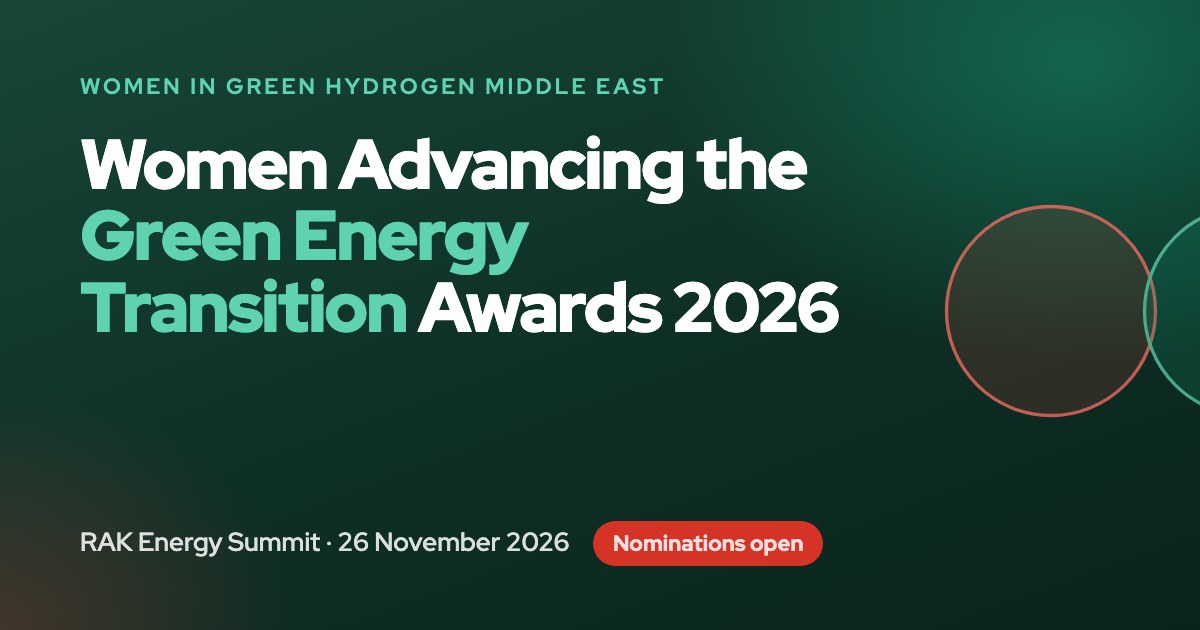
Women Advancing the Green Energy Transition Awards 2026
When the Women in Green Hydrogen – Middle East Chapter launched at ADIPEC 2025, it set out to unite professionals, policymakers, researchers and entrepreneurs, and to give women across the clean-energy value chain more visibility and leadership. Less than a year later, the chapter is taking its most visible step yet: the inaugural Women Advancing the Green Energy Transition Awards 2026.
Led by Women in Green Hydrogen Middle East in collaboration with Ras Al Khaimah Municipality and RAK Energy Summit, the awards will recognise five women whose leadership, expertise and practical contributions are accelerating the green energy transition in the UAE and across the GCC. The awards will be presented at RAK Energy Summit 2026 in Ras Al Khaimah on 26 November 2026, a high-level regional platform for sustainable energy, policy, innovation and collaboration.
Poly is proud to support the initiative together with our partner Women in Green Hydrogen, the global network behind the regional chapter, by publishing and running the awards nomination website. Nominations are open until 23 October 2026.
Additionally, she is connected to an extensive network of highly skilled professionals within the Energy sector, enhancing her ability to support and drive impactful partnerships and projects.